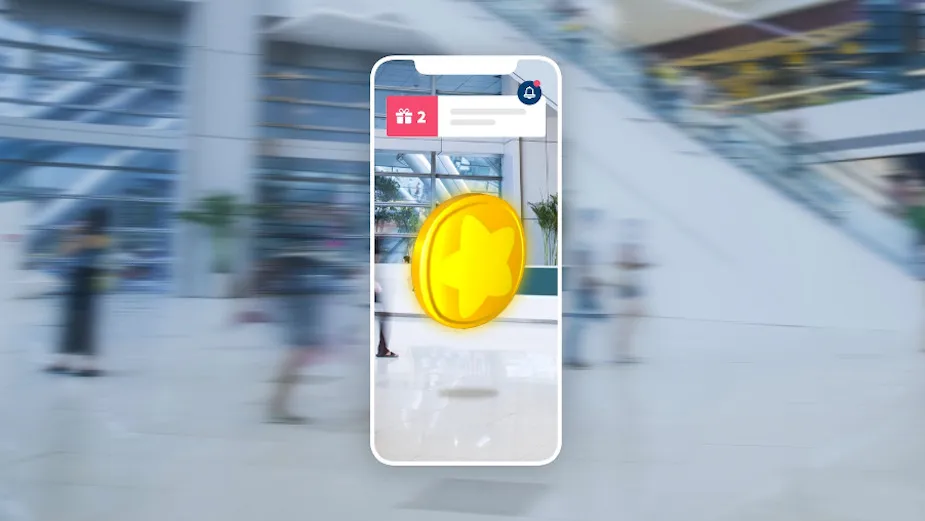
As digital advertising becomes increasingly saturated, brands are struggling to capture attention using traditional formats. Consumers are skipping ads, blocking banners and ignoring generic messages. Gamified advertising has emerged as a powerful solution, transforming marketing into an interactive experience that entertains, educates and converts.
By integrating game mechanics such as challenges, rewards, leaderboards and progress tracking into campaigns, brands can drive deeper engagement, collect valuable data and influence purchasing behaviour in a way that feels natural and enjoyable.
What Is Gamified Advertising?
Gamified advertising refers to the use of game design elements in marketing campaigns to encourage active user participation. Instead of passively viewing an advert, consumers interact with the brand through a game-like experience.
Common gamification mechanics include:
- Points and scoring systems
- Badges, achievements and tiers
- Leaderboards and competitions
- Quizzes and challenges
- Spin-to-win and scratch cards
- Progress bars and streaks
- Rewards such as discounts, prizes or loyalty points
Gamified advertising can be deployed across social media, mobile apps, websites, connected TV (CTV), digital out-of-home (DOOH) screens and loyalty platforms.
Why Gamified Advertising Works
1. Higher Engagement and Attention
Interactive formats significantly outperform static ads. Industry benchmarks suggest gamified experiences can achieve 5–10 times higher engagement rates than traditional display advertising. Users also spend up to three times longer interacting with gamified content, increasing brand exposure and recall.
2. Improved Brand Recall and Sentiment
Active participation improves memory retention. Research indicates gamified campaigns can increase brand recall by 20–30% compared to standard digital ads. The element of fun also creates positive emotional associations with the brand.
3. Valuable Zero-Party Data Collection
Gamified quizzes and challenges encourage users to voluntarily share preferences and interests. This zero-party data is highly valuable for segmentation, personalisation and retargeting strategies.
4. Higher Conversion and Purchase Intent
Gamification leverages behavioural psychology—reward loops, competition and achievement triggers. Studies show gamified campaigns can deliver 15–40% conversion uplift, particularly in retail, fintech, travel and gaming sectors.
UAE & MENA Case Studies of Gamified Advertising
Sun & Sand Sports – Snapchat AR Gamified Campaign (UAE)
Overview:
Sun & Sand Sports partnered with Snapchat to launch interactive AR lenses and gamified story ads to promote its brand refresh across the UAE and Saudi Arabia.
Results & Impact:
- Strong awareness and engagement among Gen Z and millennial audiences
- High dwell time and interaction rates compared to standard video ads
- Enhanced brand perception through immersive experiences
Why It Worked:
AR lenses allowed users to “play” with the brand, increasing interaction and social sharing.
Brands For Less – Gamified E-commerce Engagement (UAE)
Overview:
Brands For Less introduced mini-games, raffles and leaderboard competitions within its app during promotional periods.
Results & Impact:
- Increased app usage and repeat visits
- Higher time spent in the app and uplift in campaign sales
- Community-driven competition encouraging repeat participation
Why It Worked:
Competition and rewards created urgency and habitual engagement, driving both awareness and transactions.
Ballzy – Branded Endless Runner Game Campaign (UAE)
Overview:
Ballzy, a UAE sneaker and lifestyle retailer, launched a branded mobile game aligned with its positioning around agility and movement.
Results & Impact:
- 113,000+ gameplays
- 8,000+ leads generated
- Strong brand recall among younger audiences
Why It Worked:
The game reflected the brand’s identity, turning awareness into a memorable, interactive experience.
Careem Rewards – Gamified Loyalty Programme (MENA)
Overview:
Careem implemented a gamified rewards system with points, tiers and exclusive perks across its super-app.
Results & Impact:
- Increased customer retention and repeat usage
- Higher lifetime value through tiered incentives
- Strong engagement across ride-hailing, food delivery and payments
Why It Worked:
Progress tracking and status recognition encouraged habitual usage and loyalty.
Emirates NBD Fitness Account – Gamifying Banking Behaviour (UAE)
Overview:
Emirates NBD launched a savings account that rewards users based on physical activity.
Results & Impact:
- Increased app engagement and account openings
- Incentivised healthier lifestyles and savings behaviour
- Strong adoption among digitally savvy customers
Why It Worked:
Linking financial rewards to daily behaviour created a powerful motivation loop.
Dubai Esports & Games Festival – Gamified City Campaign (UAE)
Overview:
A campaign by Horizon FCB gamified Dubai itself, portraying the city as an interactive gaming environment.
Results & Impact:
- High awareness and engagement among gaming communities
- Strong ticket interest and brand positioning for Dubai as a gaming hub
Why It Worked:
Gamified storytelling created immersive city branding and cultural relevance.
Key Statistics Supporting Gamified Advertising
- Gamified elements can deliver up to 60% higher engagement compared to non-gamified content.
- Over 70% of global enterprises are expected to use gamification as part of their digital strategy.
- Gamified campaigns can drive around 30% higher purchase intent than static ads.
- In the UAE, interactive retail activations have generated 50,000+ engagements and increased store visits during seasonal campaigns.
- Gamified e-commerce activations in the GCC have delivered 100,000+ gameplays and thousands of qualified leads.
Gamified Advertising in the UAE: Why It’s Growing
The UAE is uniquely positioned for gamified marketing due to:
- Over 95% smartphone penetration
- High social media and mobile gaming adoption
- Strong loyalty programme culture across retail and fintech
- A young, digitally native population with high disposable income
Brands in retail, real estate, travel, automotive and finance are increasingly using gamification to differentiate in a highly competitive market.
Key Metrics to Measure in Gamified Campaigns
Brands should track:
- Engagement rate (interactions, clicks, dwell time)
- Completion rate (game or challenge completion)
- Data capture rate (email, app installs, profiles)
- Conversion rate (sales, enquiries, bookings)
- Brand lift (awareness, recall, favourability)
How Brands Can Get Started With Gamified Advertising
- Define the objective – awareness, data capture, app installs or sales.
- Choose the mechanic – quizzes, spin-to-win, challenges or playable ads.
- Offer meaningful rewards – discounts, loyalty points or exclusive access.
- Optimise for mobile-first audiences – most interactions occur on smartphones.
- Measure and optimise continuously – iterate based on engagement and conversion data.
The Future of Gamified Advertising
Gamification will continue to grow as brands compete for attention in crowded digital environments. With advancements in AI, AR and Web3, gamified ads will become more immersive, personalised and commerce-driven.
Brands that invest early will benefit from stronger engagement, richer data and higher lifetime customer value.
Frequently Asked Questions
1. What is the main benefit of gamified advertising?
The primary benefit is increased engagement, which leads to higher brand recall, richer data collection and improved conversions.
2. Is gamified advertising expensive to produce?
Costs vary. Simple quizzes and spin-to-win formats are affordable, while custom games or AR experiences require higher investment.
3. Which industries benefit most from gamified advertising?
Retail, e-commerce, fintech, travel, gaming, FMCG and real estate see strong results, but any brand seeking engagement and data can benefit.
4. Does gamification work on DOOH and CTV?
Yes. QR-based interactive billboards and connected TV experiences are growing rapidly and show high engagement rates.
5. How do you measure ROI from gamified campaigns?
Track engagement, completion rates, conversions, data capture and brand lift studies to evaluate performance.