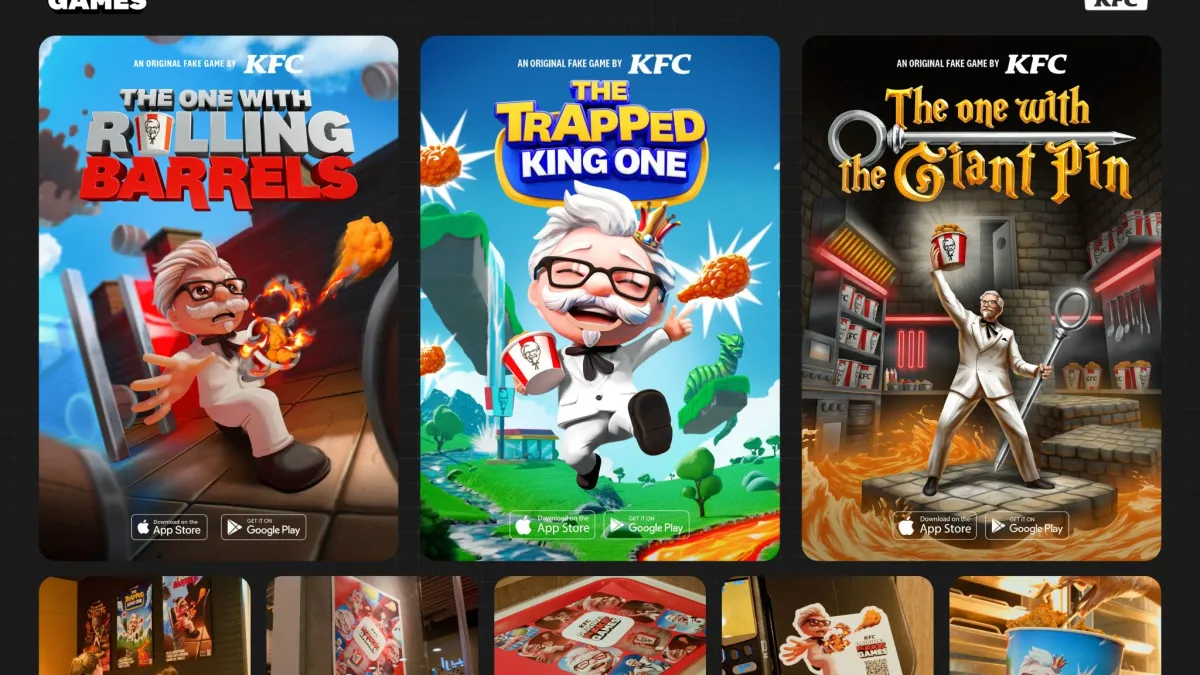
Digital advertising has evolved significantly in the past decade. Consumers today are constantly exposed to thousands of advertisements daily, making it increasingly difficult for brands to capture and maintain attention. Gamified ad campaigns are emerging as a powerful solution to this challenge by transforming advertisements into engaging, interactive experiences.
Gamification in advertising incorporates elements commonly found in games—such as points, rewards, leaderboards, challenges, and interactive gameplay—into marketing campaigns. Instead of simply watching an ad, users participate in it. This shift from passive viewing to active interaction significantly increases engagement and brand memorability.
What Are Gamified Ad Campaigns?
Gamified ad campaigns are marketing strategies that use game mechanics to encourage consumer participation. These campaigns can include quizzes, puzzles, spin-to-win wheels, augmented reality games, branded mini-games, or interactive challenges embedded within advertisements.
The core goal is simple: make the advertisement entertaining enough that users willingly engage with it.
For example, instead of displaying a standard banner ad promoting a new product, a brand might create a quick mobile game where users collect virtual items related to the product. Completing the game could unlock discounts, rewards, or exclusive content.
Why Gamified Advertising Works
Gamified campaigns are effective because they appeal to basic human psychology. People enjoy challenges, rewards, and competition. When these elements are introduced into advertising, they trigger emotional engagement.
Several benefits make gamified campaigns attractive for brands:
1. Higher Engagement Rates
Interactive ads often achieve engagement rates several times higher than traditional display ads because users actively participate.
2. Longer Attention Time
A typical banner ad may capture attention for only a few seconds, whereas a gamified ad can keep users engaged for 20–60 seconds or more.
3. Improved Brand Recall
Research suggests that interactive ad formats significantly improve brand recall because users associate the brand with a memorable experience.
4. Increased Data Collection
Gamified ads often involve voluntary user input, which allows brands to gather valuable first-party data such as preferences, interests, and behavioural insights.
5. Higher Conversion Potential
When users are rewarded with discounts or exclusive offers after completing a game, the likelihood of purchase increases.
Types of Gamified Ad Campaigns
Brands can incorporate gamification in multiple ways depending on their objectives.
Spin-to-Win Campaigns
Users spin a digital wheel to receive prizes such as discounts, vouchers, or exclusive content. This format works well for e-commerce and retail promotions.
Quiz-Based Ads
Brands create short quizzes that educate users about their products while entertaining them. At the end of the quiz, users receive personalized recommendations or rewards.
Augmented Reality (AR) Games
AR gamified ads allow users to interact with digital objects through their smartphone cameras. These campaigns are particularly popular for beauty, fashion, and retail brands.
Branded Mini-Games
Some brands create simple mobile games where users interact with branded characters or products, turning advertising into a form of entertainment.
Social Challenges and Leaderboards
Campaigns that encourage users to compete with friends or share scores on social media can rapidly expand reach and engagement.
Real-World Examples of Gamified Advertising
Many global brands have successfully adopted gamified advertising strategies.
One well-known example is McDonald’s Monopoly campaign, where customers collect digital or physical game pieces to win prizes. The campaign has consistently driven higher engagement and repeat purchases.
Another example is Nike’s gamified fitness challenges, which encourage users to complete running or workout challenges through mobile apps while earning badges and rewards.
Retail brands also use gamified “scratch cards” and “spin wheels” in online ads during major shopping seasons such as Black Friday or Ramadan promotions.
Gamified Advertising in the Middle East
The Middle East, particularly the UAE, has seen rapid growth in interactive advertising formats. With high smartphone penetration and a young digital-first population, gamified campaigns perform exceptionally well across mobile platforms.
Brands in sectors such as retail, real estate, automotive, and entertainment are increasingly experimenting with interactive formats on connected TV, mobile apps, and social media platforms.
For example, interactive video ads on connected TV can allow viewers to use their remote control or smartphone to answer quiz questions, vote in polls, or unlock promotional offers.
Best Practices for Running a Gamified Campaign
To ensure success, brands should follow several key principles when designing gamified advertisements.
Keep the experience simple. Games should be easy to understand and quick to play, especially on mobile devices.
Offer meaningful rewards. Incentives such as discounts, exclusive content, or loyalty points encourage participation.
Optimize for mobile devices. Most users interact with gamified ads through smartphones.
Use clear brand integration. The brand message should remain visible throughout the game experience.
Measure performance metrics. Engagement rate, completion rate, interaction time, and conversion rate are essential indicators of campaign success.
The Future of Gamified Advertising
As technologies such as augmented reality, artificial intelligence, and interactive video continue to evolve, gamified advertising is expected to become even more sophisticated.
Brands will increasingly create personalised gaming experiences based on user behaviour and preferences. Connected TV platforms, mobile apps, and immersive environments will provide new opportunities for brands to transform advertising into entertainment.
Ultimately, gamified campaigns represent a shift in marketing philosophy: from interrupting audiences to entertaining them.
Frequently Asked Questions
1. What is gamified advertising?
Gamified advertising uses game elements such as rewards, points, quizzes, or challenges within ads to encourage user participation and increase engagement.
2. Why are gamified campaigns effective?
They encourage active interaction, which leads to higher engagement rates, longer attention spans, and stronger brand recall compared with traditional advertising formats.
3. What industries benefit most from gamified ads?
Retail, e-commerce, entertainment, automotive, telecom, and real estate sectors often see strong results from gamified campaigns.
4. What platforms support gamified advertising?
Gamified ads can run on mobile apps, websites, social media platforms, connected TV, and interactive display formats.
5. How do brands measure the success of gamified campaigns?
Key metrics include engagement rate, completion rate, interaction time, click-through rate, and conversion rate.